
Many people assume the purpose of bathroom ventialation is to get rid of smells. While they can be used for that their main purpose is to remove moist air.
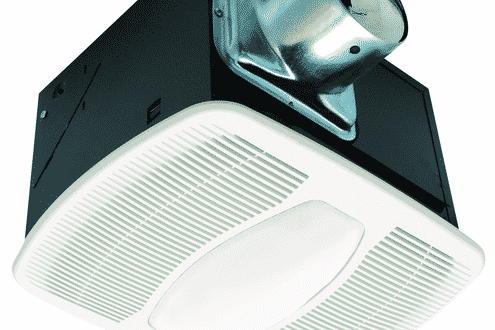
Many people assume the purpose of bathroom ventialation is to get rid of smells. While they can be used for that their main purpose is to remove moist air.
Your bathroom is a high-humidity zone, a room that uses water constantly in multiple ways from showers to sinks to toilets to bathtubs.
The moisture and heat in the air can easily cause problems in your bathroom in the form of mold and mildew. You could also deal with damaged drywall, peeling wallpaper and paint, and damage to laminate vanities.
The good news is that these problems are avoidable with a properly sized, properly vented bathroom fan. If you’re dealing with bathroom humidity issues, or if you want to avoid them in your Tallahassee bathroom remodel, read on to learn everything you need to know about bathroom ventilation.
Current building code in Florida requires all bathrooms to have a least one ventilation fan and the fan must be vented to the outside, typically through a gooseneck vent installed in the room.
Venting into the attic is no longer allowed and simply running the duct up to the ridge vent or gable vent is not code compliant either.
Bath fans are also required to be at least 50 CFM, though that is much too low to be effective in most baths. In general you want a bath fan that will change the air in the room 6-10 times per hour.
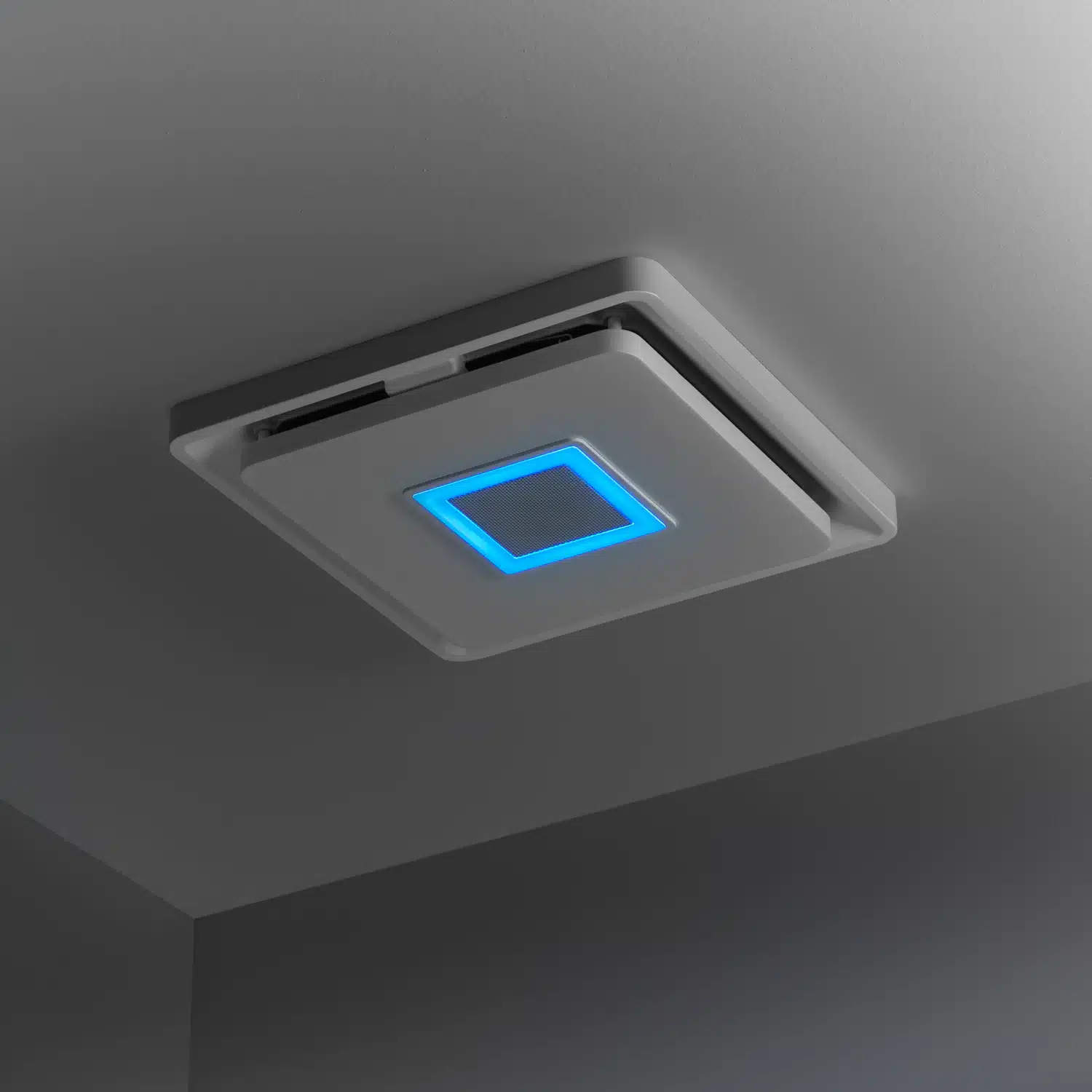
Fans can come with special features like bluetooth speakers and humidity sensors.
Bathroom ventilation fans are rated in two ways: volume of air they move (rated in CFM - cubic feet per minute) and noise level (rated in Sones - the lower the number the quieter the fan.
The CFM rating for you fan is calcuated based on the square footage of the bath, size of shower, length of duct and other factors.
The sone rating is more of a personal choice. Some people prefer a whisper quiet exhaust fan (sone rating of 1 or lower) while others prefer a fan with a little noise (sone rating of 1-3).
Here's a great video that provides a q 5 min overview of what to look for in a bathroom exhaust fan:
There are 4 main issues that cause bath fans to work properly (assuming you even have one, many older homes do not). They are: fan size, improper use, poor duct work, and poor location.
Older homes may not have a bath exhaust fan at all. Even in newer homes many builders install the smallest fan allowable by code. Unfortunately, that fan may not be powerful enough to properly ventilate your space.
In builder-grade fans, the CFM generally installed means that the bathroom fan fully exchanges the air inside the bathroom with outside air five times per hour. This is too low to remove the steam from the room fast enough to prevent condensation, mildew and mold.
You should aim for a fan that provides air exchanges at least eight times per hour. How do you calculate that?
Start with 1.1 CFM per Square Foot
A good rule of thumb for room with an 8 ft ceiling is to have 1.1 CFM per square foot. If your bathroom is 8 feet x 10 feet, you want a fan with a CFM of at least 88. This is considered the minumum needed under ideal conditions. But conditions are not always ideal and you need to adjust for a few other factors.
Adjust for things like ceiling Height, duct run and shower size.
We like to oversize bathroom ventialltion because conditions are rarely ideal. So if a bathroom requires 80 CFM we'll usually put in a 90-100 CFM Fan.
The air that runs through your duct work as it exhausts out the house is affected by the friction created by the walls of the duct. For this reason smooth duct is recommended but often builders and remodelers use flexible duct because its easier to install.
Using flex duct can reduce the actaul CFM output of your bathroom ventialtion fan by 20% or more. Ideally the duct run is also straight, with no elbows or turn. Each turn also reduces the CFM.
Use Multiple Fans if needed
Large bathrooms of bathrooms with separate toilet rooms need multiple fans. You can vent two fans through one roof vent.
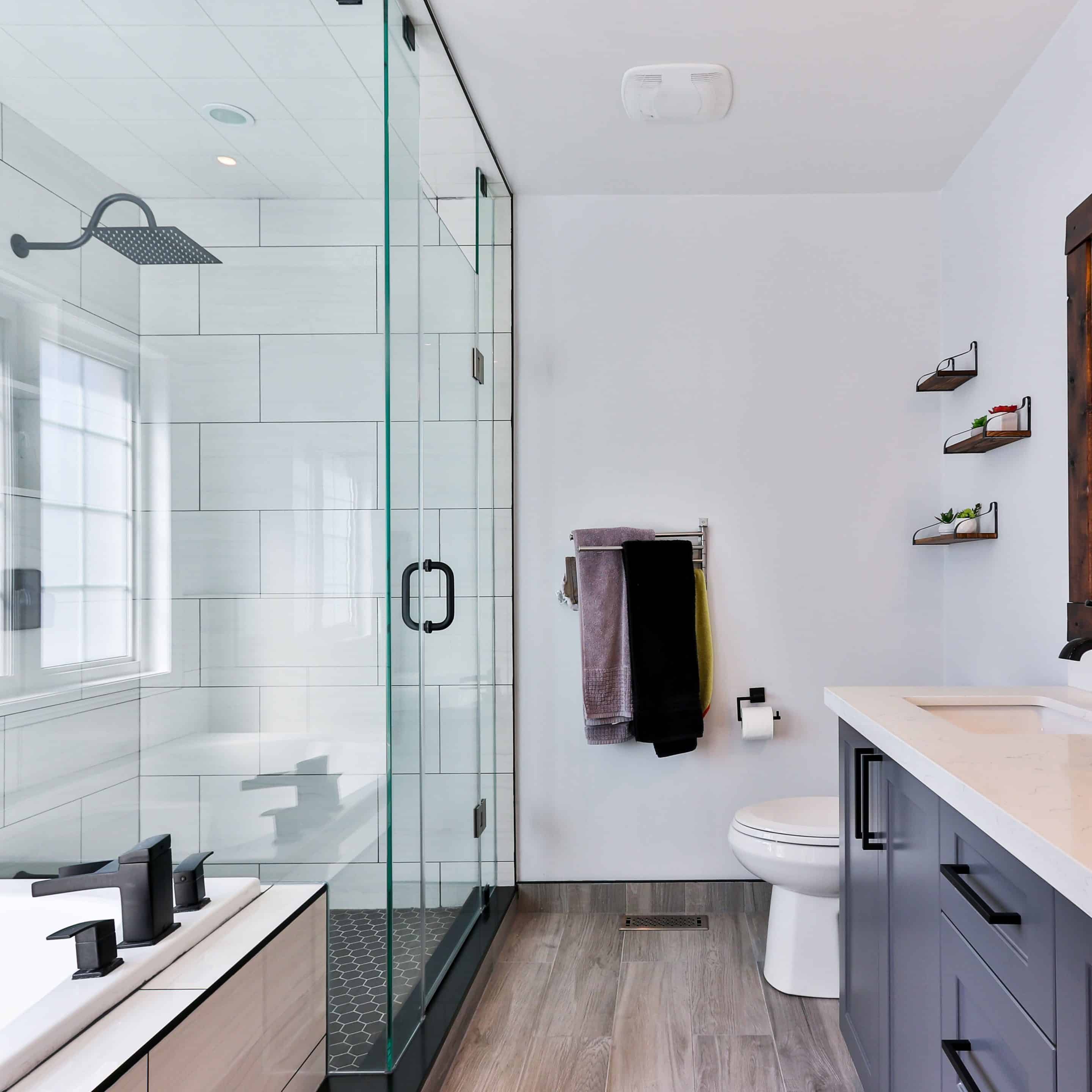
A fan outside the shower is not as effective as putting the fan in the shower, where the steam is created.
Many people turn on the fan when the bathroom mirror begins fogging up, and turn it off when they leave the room. Unfortunately, that’s not enough. In order for the fan to properly replace the bathroom air, it needs to be used properly.
Turn the fan on before you shower
Don't wait for the room to become steamy. In fact, with a properly installed bath fan that is used properly, your mirrors should never fog up because the fan is removing the moist air before it can condense on any surface.
Run the fan for 20 minutes after your shower
This gives the fan time to completely dry the room. If you’re in a hurry in the mornings and you don’t have time to leave it on that long, or you know you’ll forget to turn it off afterward, you can get a fan with a timer that shuts itself off.
You can also install a fan with a humidity sensor that senses when it needs to run and when it needs to turn itself off.
Ways to Improve Ventilation
You can also help your bathroom fan ventilate your bathroom better if you
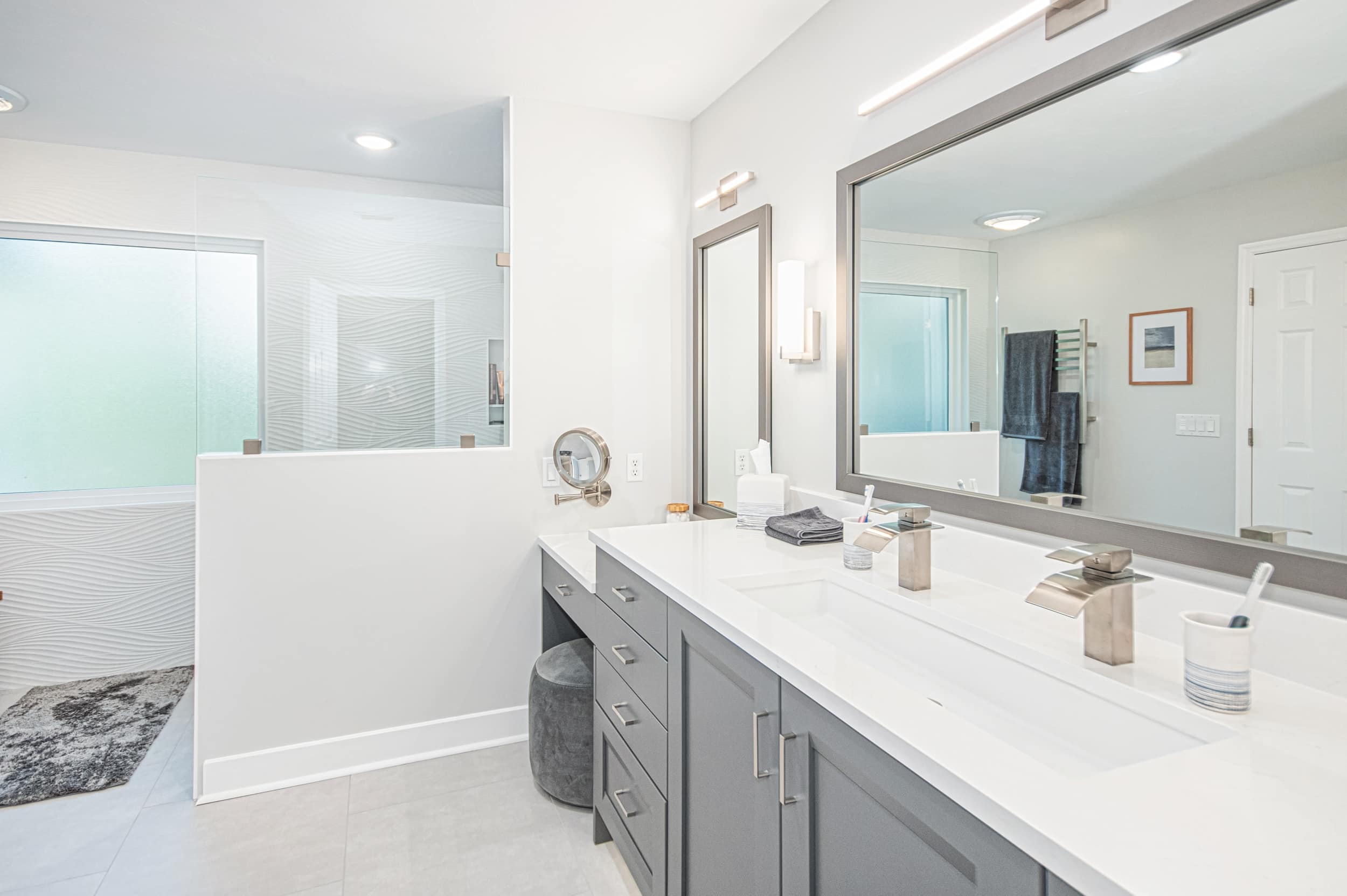
Bath fans don't have to stand out. They can be made to look like recessed lights.
While the strength of the fan and how it is used are important, making sure it is correctly ducted is vital as well.
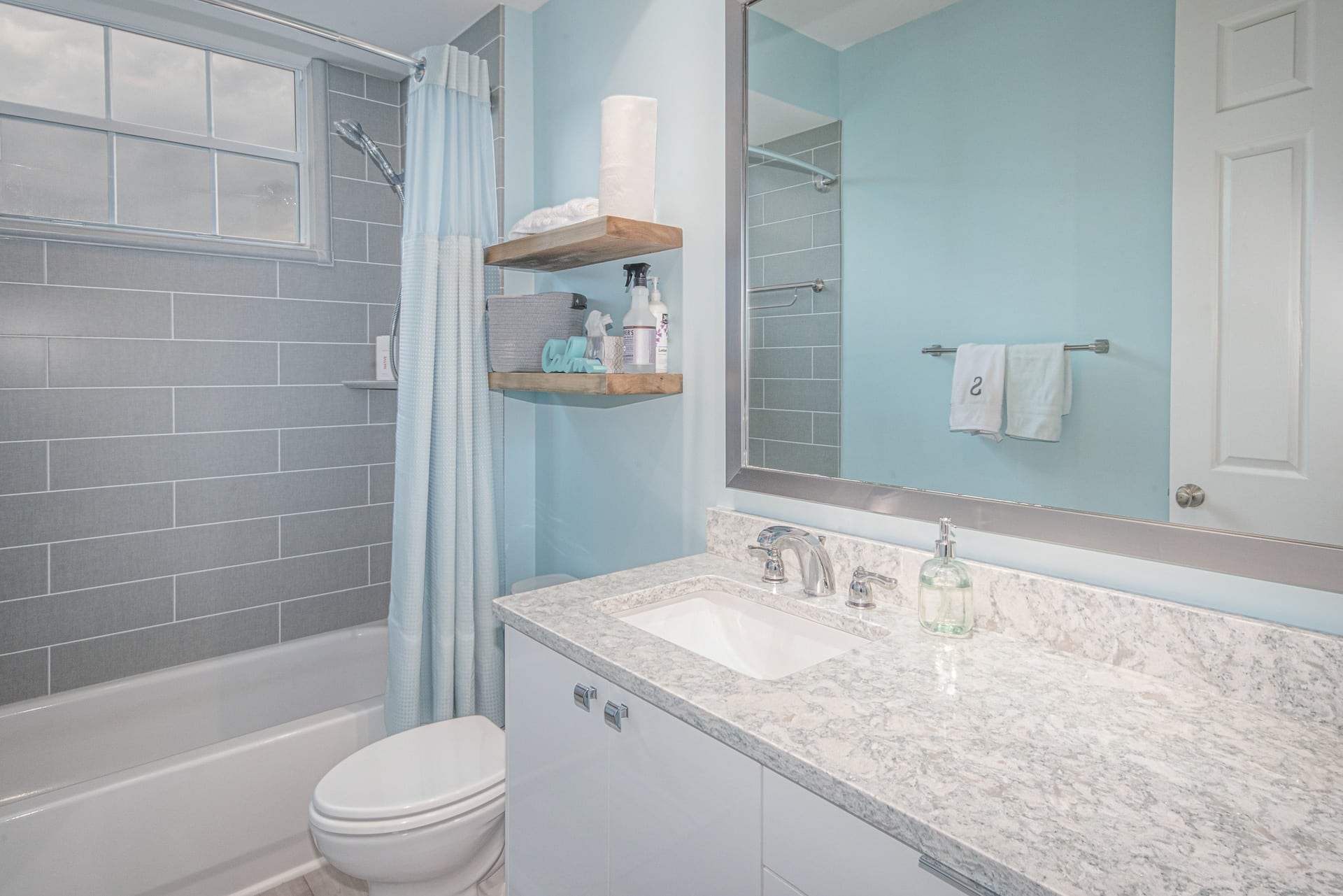
Smaller hall bathrooms should use a 90 - 100 CFM fan.
The main purpose of the bath fan is to remove steam and moisture from the air. So the fan should be located over the primary source of moisure in the room - your shower.
We like to install bath fan/light combos over the shower. The fan and light are switched separately so the light can be turned off and the fan left running.

Bathrooms with large, open showers may need a fan with a higher CFM rating.
We already discussed CFM, the measure of the air movement a fan provides in cubic feet per minute. Remember, look for a CFM of at least the square footage of your bathroom (100 CFM for a 10 x 10-foot bathroom, for example), and add extra CFM for high ceilings or a jetted tub.
Another consideration is the noise level of the fan. This is measured in sones: the lower the sone rating, the quieter the fan.
A fan with a rating of 1 - 2 sones will be very quiet, about the level of a quiet refrigerator running in a quiet kitchen. A sone rating of 5 is about the volume most people would leave their TV at. Less than 1 sone is very difficult to hear, whisper quiet.
Some people prefer a noiser fan because if provides some privacy - we like to use fans with a 3 sone rating in powder baths or guest baths for example.
In primary baths we prefer quieter fans - 1 sone or less. Especially if the fan will be on a timer or humidity sensor. That way the fan can be left to run longer without bothering anyone.
Remote Blower Ventilation Fans
The fan noise come from the blower motor in the fan. Quieter fans use better bearings and insulate the motor to reduce the noise level. Another option is to install a bathroom ventilation fan with a remote blower motor like those made by fantech.
With is type of fan the motor is installed in the attic or above the roof instead of in the fan itself. So the noise is completely isolated from the bathroom and the only sound you will hear is the slight 'whoosh' of air running through the grill.

This bath fan has a special blue light that can be turned on to kill bateria.
If you’re remodeling your Tallahassee bathroom, choosing a bathroom ventilation fan may not be the most exciting part of the process for you. But you can actually get bathroom fans with a variety of cool features that increase their functionality and add to the luxuriousness of your new bathroom.
Ventilation is an important part of your bathroom to keep it looking good, feeling great, and functioning well. Are you considering a bathroom remodel? Do you have questions about your current bathroom layout or design?
Contact us and we’ll be glad to answer your questions and help you upgrade to the bathroom of your dreams.
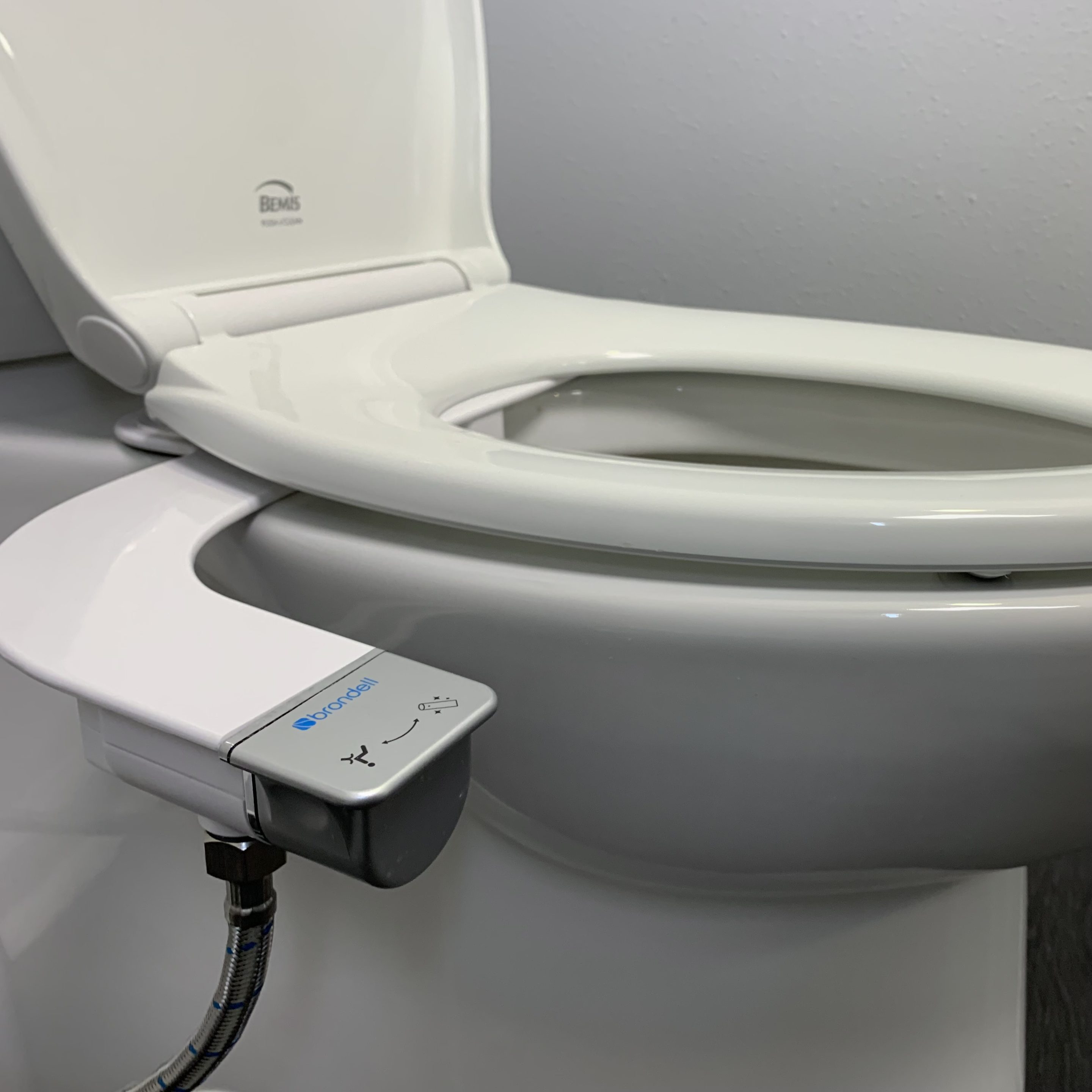
If you’ve never used–or even seen–a bidet before, you might be confused and not a little concerned the first time you…

What you’ll get:
A personal design consult in our showroom
3D drawings to help you visualize options
A ‘good-better-best’ estimate