
Homes that feel high-end are built on a handful of interior design principles, not trends.
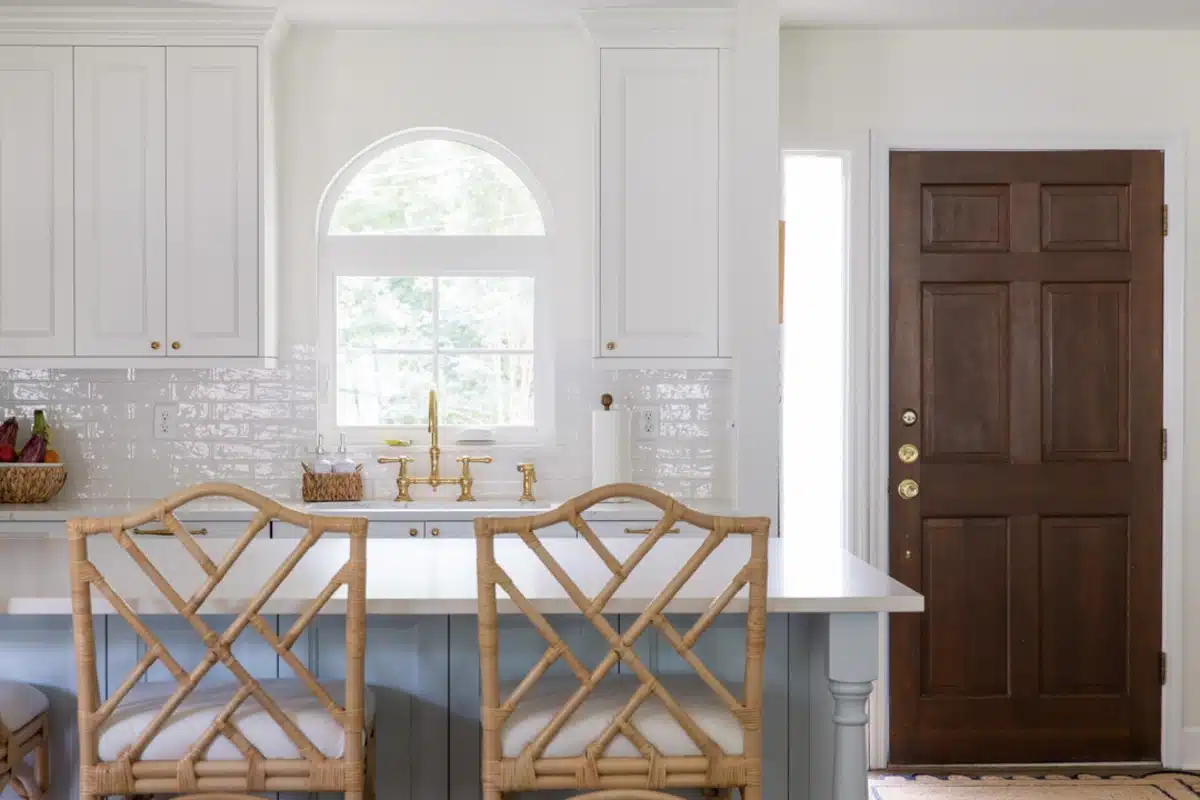
After working with homeowners across Tallahassee on kitchens, bathrooms, and full-home updates, we’ve seen the same pattern: the homes that feel high-end are built on a handful of intentional design principles, not trends.
In this guide, you’ll learn 24 essential interior design principles you can apply to any space. From layout and lighting to materials and styling use these tips to make your home look cohesive, function better, and feel like you.
Your walls are underused real estate. Draw the eye upward with tall curtains, shelving, or vertical art to make ceilings feel higher and rooms feel larger.
A well-designed room is never filled edge-to-edge. Aim to furnish about 60–70% of the space and leave the rest open for visual breathing room.
If a room is hard to walk through, it’s not working. Maintain 30–36 inches of walkway space so movement feels effortless.
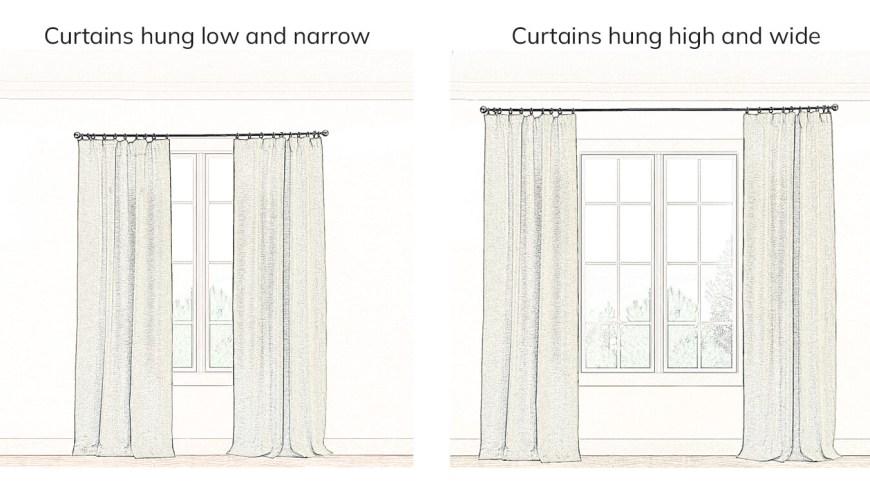
Hang curtain higher than the opening
Fewer, larger pieces create more impact than many small ones. Anchor your space with an oversized rug, large-scale art, or a bold mirror instead of cluttering surfaces with small décor.
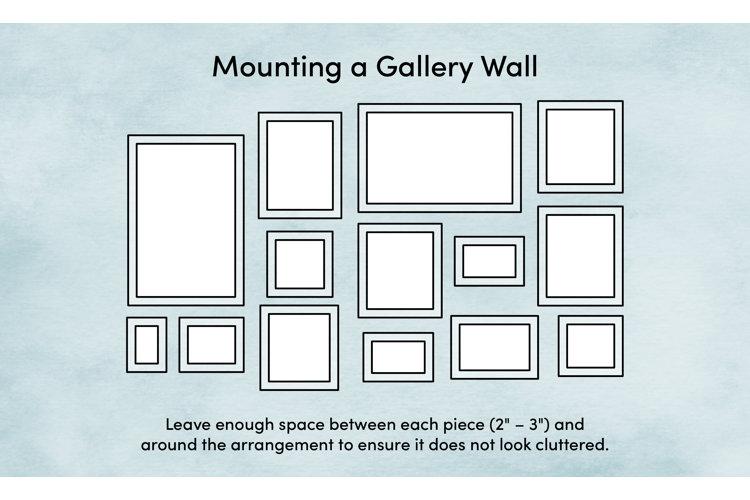
Center artwork around 57–60 inches from the floor. Above furniture, keep spacing tight (6–10 inches) to create cohesion.
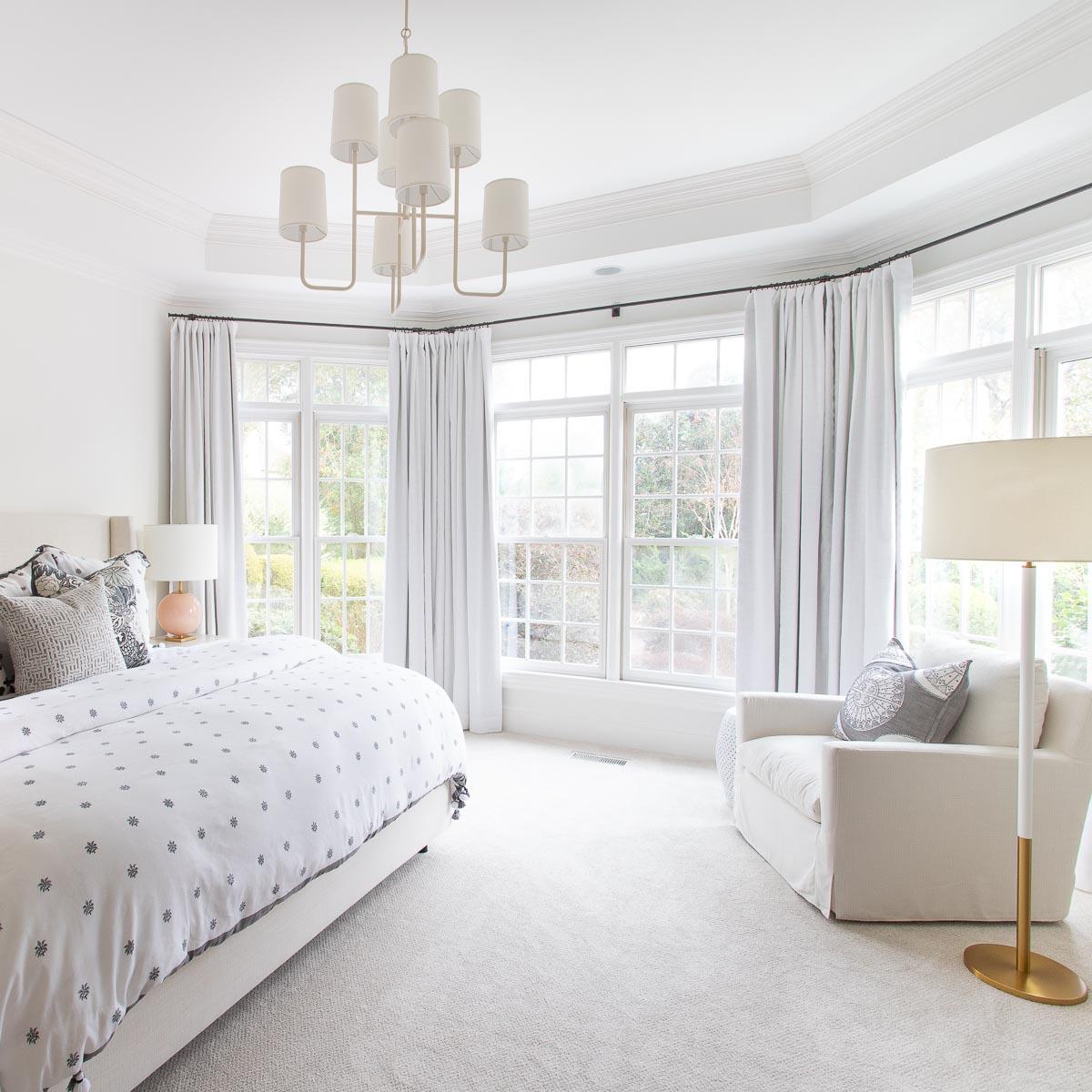
Proper curtain placement instantly elevates a room. Mount rods higher and wider than the window frame to make windows feel larger and ceilings taller.
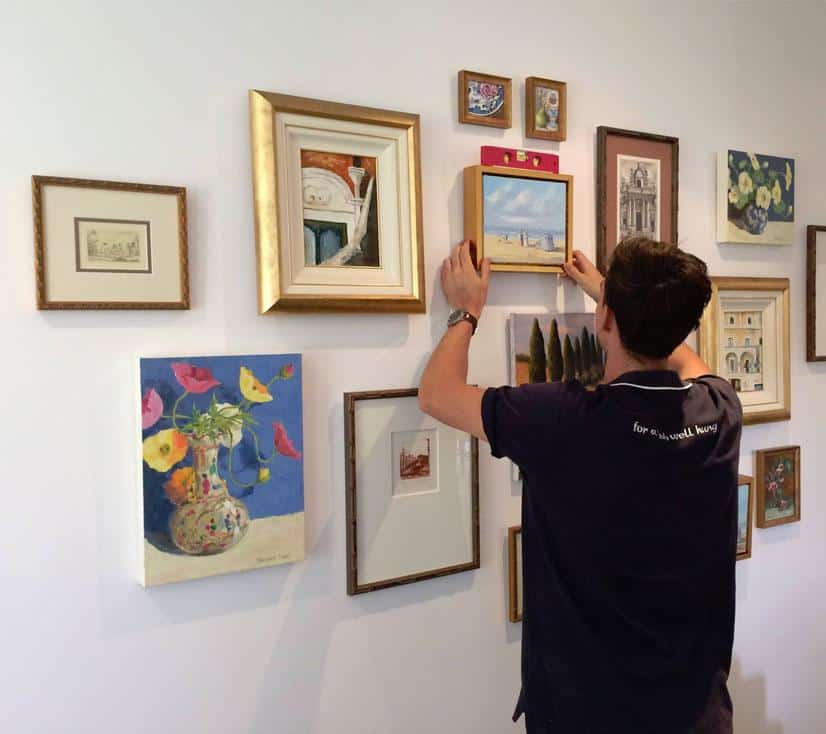
Great rooms use multiple light sources, not just overhead fixtures. Combine floor lamps, table lamps, and sconces to create depth and warmth.
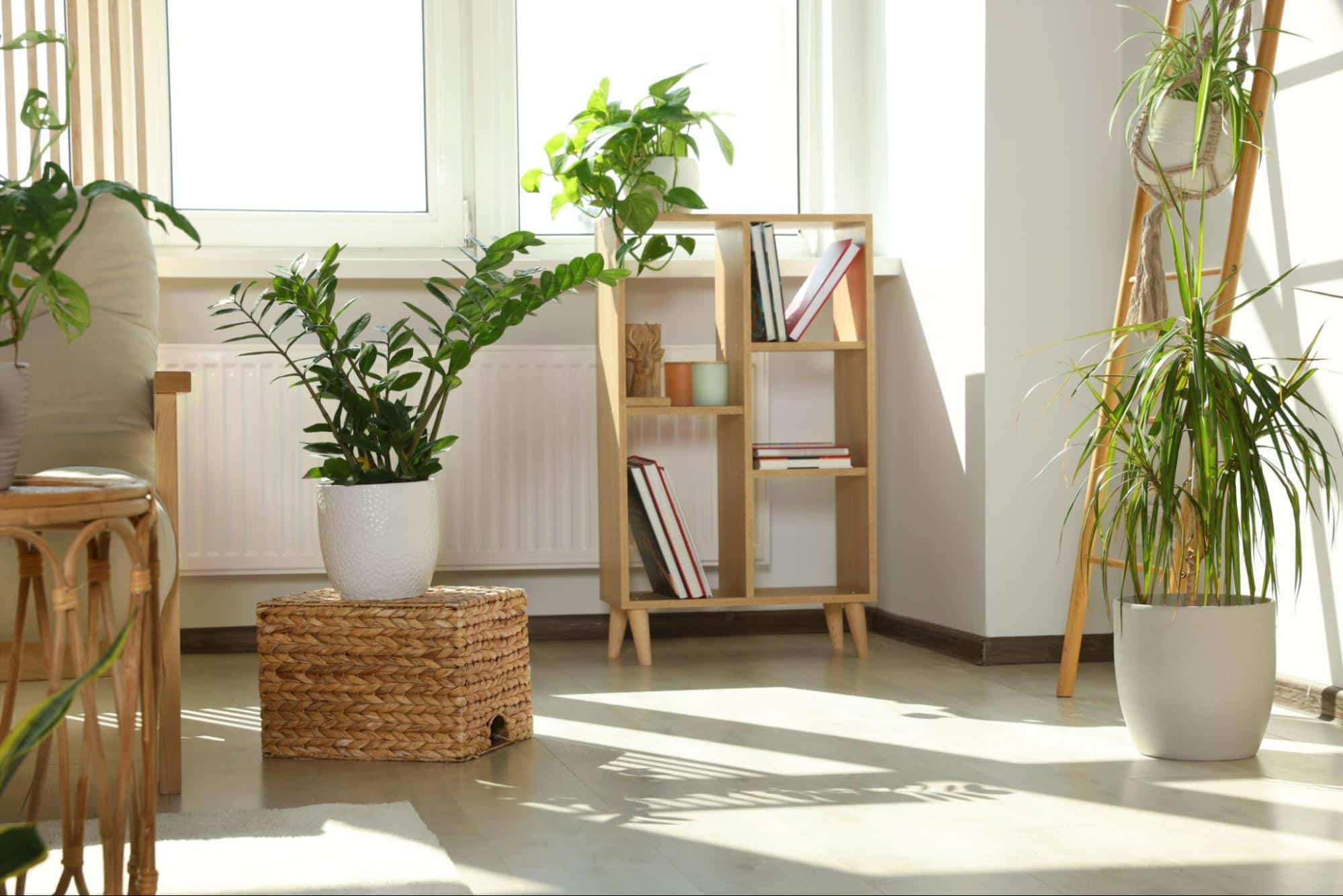
Plants add life in a way nothing else can. Even one well-placed plant can soften a space and make it feel complete.
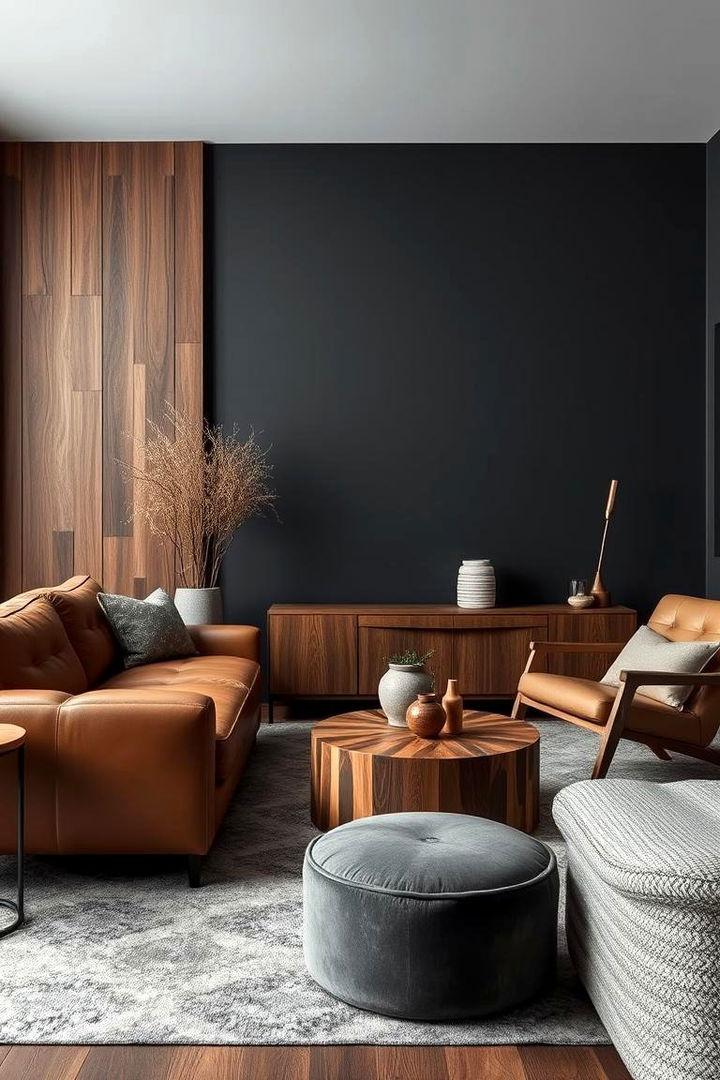
Contrast creates visual interest. Mix light and dark tones, matte and glossy finishes, and soft and hard materials.
Too many straight lines can feel rigid. Balance them with round tables, curved chairs, or arched elements.
Texture is what makes neutral rooms feel rich. Combine materials like wood, linen, metal, and stone for depth.
Repeat elements subtly throughout the space. Echo colors, materials, or shapes to create cohesion without being repetitive.
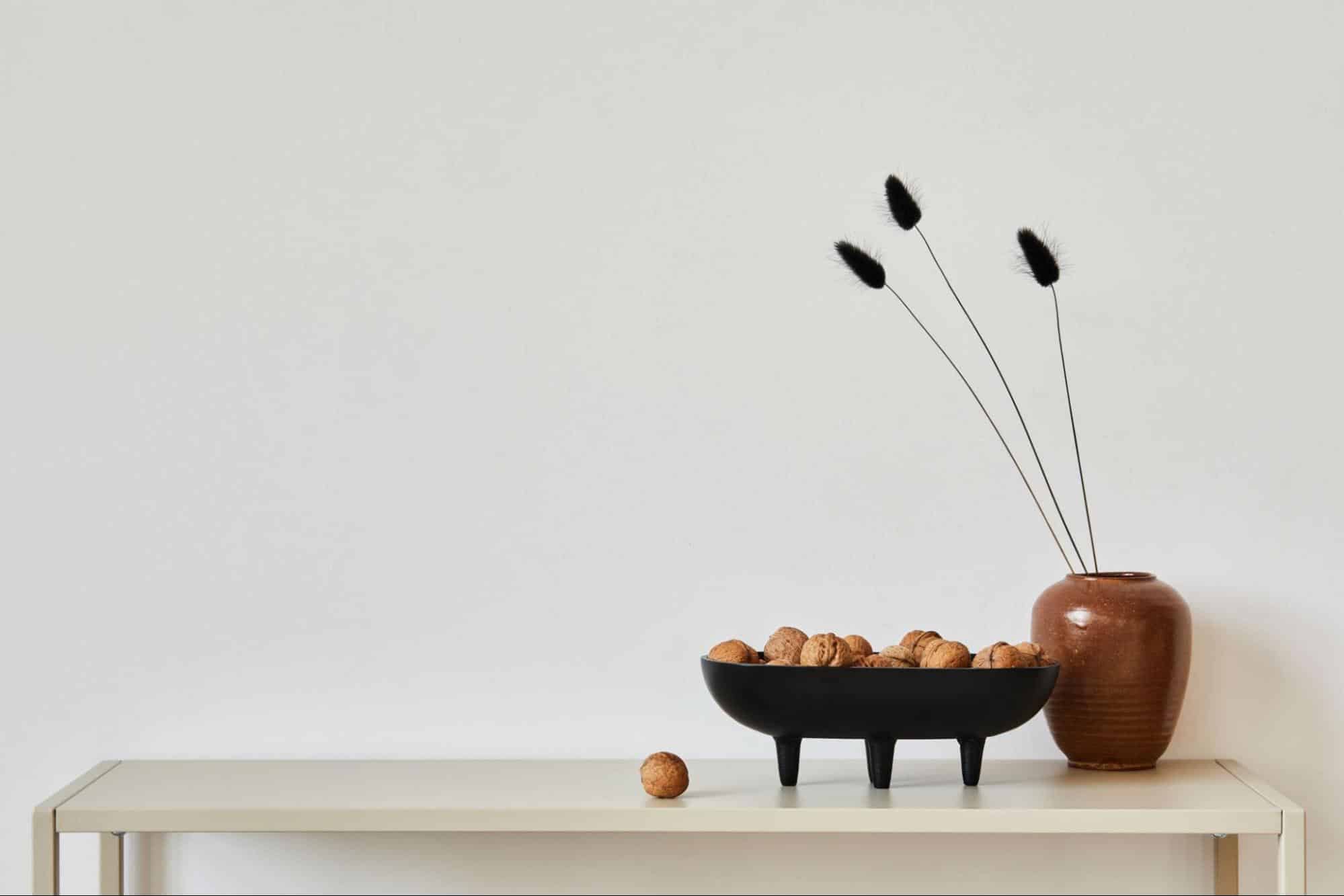
Think in compositions, not individual objects. Vary height, shape, and texture when styling surfaces.
Empty space is part of the design. It allows your best pieces to stand out.
Use trays, baskets, and drawers to control visual noise.
A finished room often needs less, not more. Remove items before adding new ones.
Your home should support how you actually live, not just how it looks.
Avoid trend-driven purchases that quickly become clutter.
Your sofa, bed, and dining table set the tone for everything else.
Lighting changes everything — always test before committing.
Coordinate with what you can’t change (floors, countertops, etc.).
The homes that feel the most elevated aren’t the ones with the biggest budgets, they’re the ones where every decision was made with purpose.
Right now, you might be dealing with a space that feels unfinished, cluttered, or just not quite right. These principles are what bring clarity to those problems, helping you design a home that actually works and feels like you.
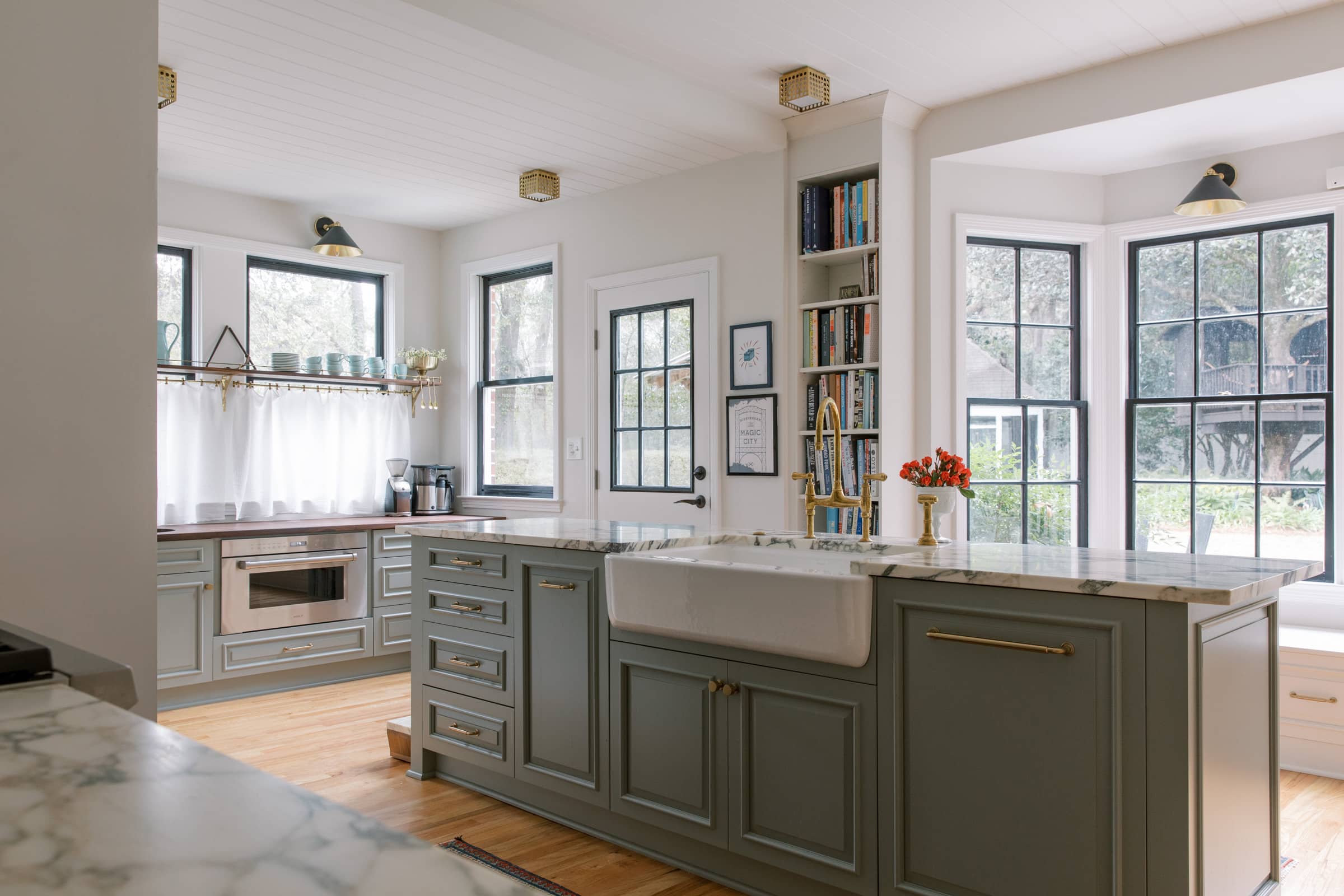
Someone shared something recently that stuck with me. They said they didn't realize how many small annoyances they ha…
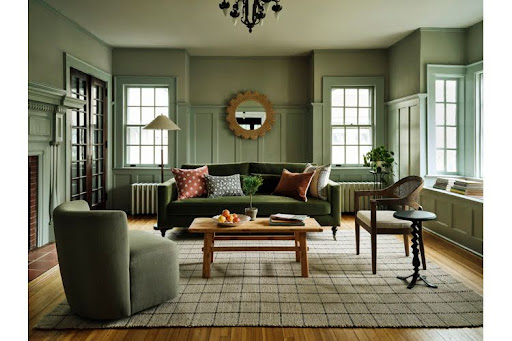
Designers and influencers call it color drenching, and many claim that if you don’t do it, your home will look dated.…
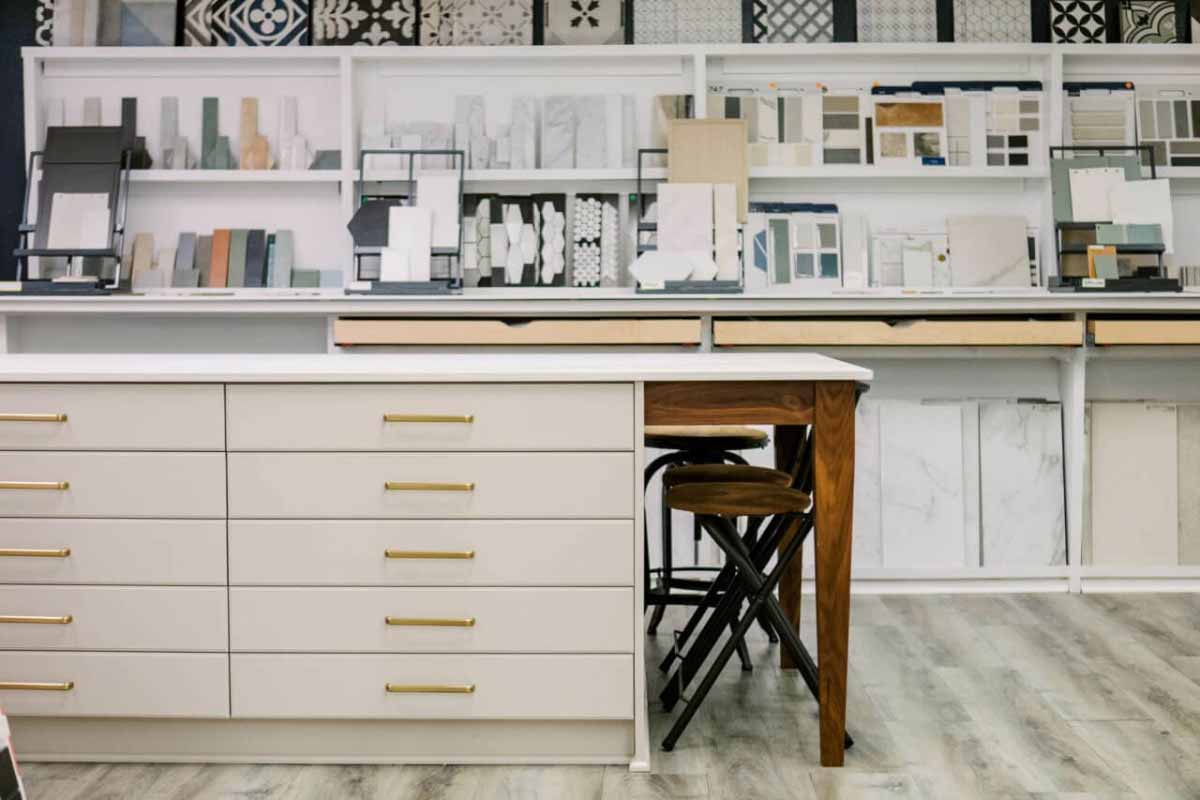
Identity driven design solves a problem that many homeowners don’t realize they’re facing until it’s too late: living…
What you’ll get:
A personal design consult in our showroom
3D drawings to help you visualize options
A ‘good-better-best’ estimate