When you notice cracked tiles or suspect a shower leak, it's natural to wonder if you need a minor repair or a complete bathroom overhaul. Deciding between a targeted shower repair and a full bathroom remodel depends on the extent of the damage, the age of your bathroom, and your long-term goals for your home.
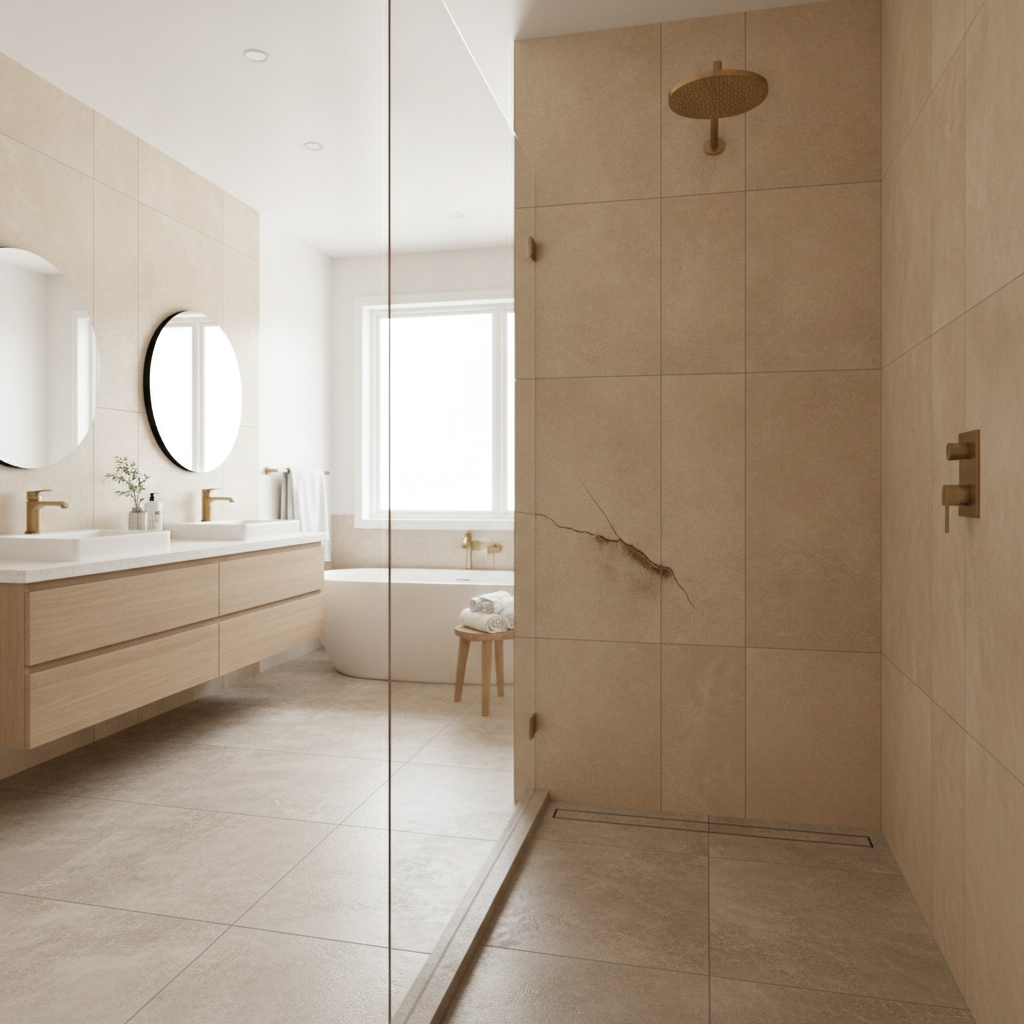
When you notice cracked tiles or suspect a shower leak, it's natural to wonder if you need a minor repair or a complete bathroom overhaul. Deciding between a targeted shower repair and a full bathroom remodel depends on the extent of the damage, the age of your bathroom, and your long-term goals for your home. While a small crack might seem like an easy fix, it can sometimes be a symptom of a larger underlying issue that warrants a more comprehensive approach.
Many homeowners call us with concerns about potential shower pan leaks, often indicated by cracked tiles or bulging areas. It's important to understand that tile itself is not a waterproofing layer. The waterproofing system, whether an older PVC membrane (often called a shower pan) or newer, more advanced methods, is what prevents water from seeping into your home's structure. Cracked tiles can be a sign of movement or water damage to the substrate beneath, but they don't necessarily mean the waterproofing has failed.
Before any demolition or repair work begins, the first crucial step is to determine if your shower pan is actually leaking. This is done through a process called a flood test. A plumber or a handy individual can perform this test by plugging the shower drain and filling the pan with a few inches of water. Mark the water level and check it after 24 hours. If the water level has dropped, you likely have a leak. If it remains steady, the waterproofing system is holding, and your cracked tiles might be due to other issues, such as improper installation or house settling.
Performing a flood test can save you significant time and money. Without it, a tile contractor might proceed with tearing out your shower based on a suspicion, only to find no leak, or worse, miss the actual source of the problem.
If your flood test reveals no leak and the cracked tiles are isolated, a targeted repair might be an option. This could involve removing and replacing the damaged tiles and ensuring the underlying substrate is sound. However, finding an exact match for older tiles can be challenging, often leading to a noticeable difference in appearance. In such cases, some homeowners opt to create an accent strip or pattern with new, complementary tile to blend the repair seamlessly.
For minor issues like localized grout failure or superficial tile cracks not associated with water damage, a repair can be a cost-effective solution. However, it's important to consider the age and overall condition of your bathroom. If other elements are showing wear and tear, a repair might only be a temporary fix for a larger aesthetic or functional problem.
While McManus Kitchen & Bath can certainly handle a shower repair, we generally recommend a full bathroom remodel for projects of this nature, especially if a shower pan leak is confirmed or if the bathroom is approaching the end of its functional lifespan. Here's why:
For significant projects like a full bathroom remodel, our design-build approach offers distinct advantages:
Our bathroom remodels typically start around $45,000, with kitchen projects ranging from $55,000 to $190,000+. While this investment is higher than a simple repair, it provides a superior, long-lasting, and value-adding transformation for your home.
The cost of a simple shower repair can vary widely depending on the extent of the damage, the materials needed, and labor rates. If it's just a few cracked tiles and no leak, it might be a few hundred dollars. If it involves replacing a shower pan and some surrounding tile, it could range from a few thousand dollars to significantly more, especially if structural repairs or updated waterproofing are required. These smaller projects are typically handled by tile installers or specialized repair contractors, not full-service design-build firms like McManus Kitchen & Bath.
Yes, you can perform a shower flood test yourself if you are comfortable with basic DIY tasks. You'll need a drain plug, which can be purchased at a hardware store. Plug the drain, fill the shower pan with 2-3 inches of water, mark the water level, and check it after 24 hours. If the water level drops, you have a leak. If you're unsure or prefer professional assistance, a plumber can perform this test for a fee.
A tile installer specializes in the installation and repair of tile, including demolition, waterproofing, and tiling. For a straightforward shower repair where only the tile and waterproofing are affected, a skilled tile installer can manage the job. A general contractor, on the other hand, oversees the entire project, coordinating multiple trades (plumbers, electricians, tile installers, etc.). For complex projects or full bathroom remodels, a general contractor or a design-build firm like McManus Kitchen & Bath is beneficial as they manage all aspects, but for a simple repair, a general contractor's services might be an unnecessary premium.
Matching old tiles can be extremely difficult because dye lots change, manufacturers discontinue styles, and even if you find the same tile, new tiles often look different due to aging, wear, and sun exposure on the existing ones. Attempting to precisely match can lead to a patchwork appearance. It's often more effective to embrace the change by using a complementary accent tile or considering a full re-tile for a cohesive look.
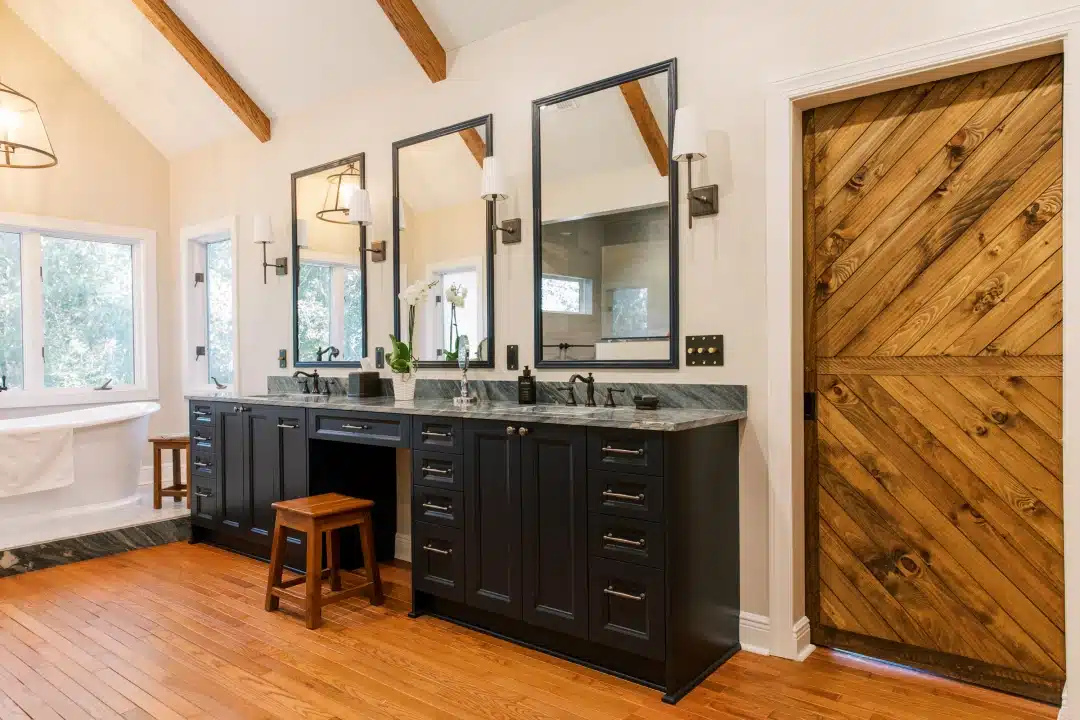
Before we recommend a single tile, faucet, or fixture, we ask five key questions. Because the best bathroom designs a…
Thinking about remodeling your home in Tallahassee but feeling overwhelmed by the process? Have you been warned about…
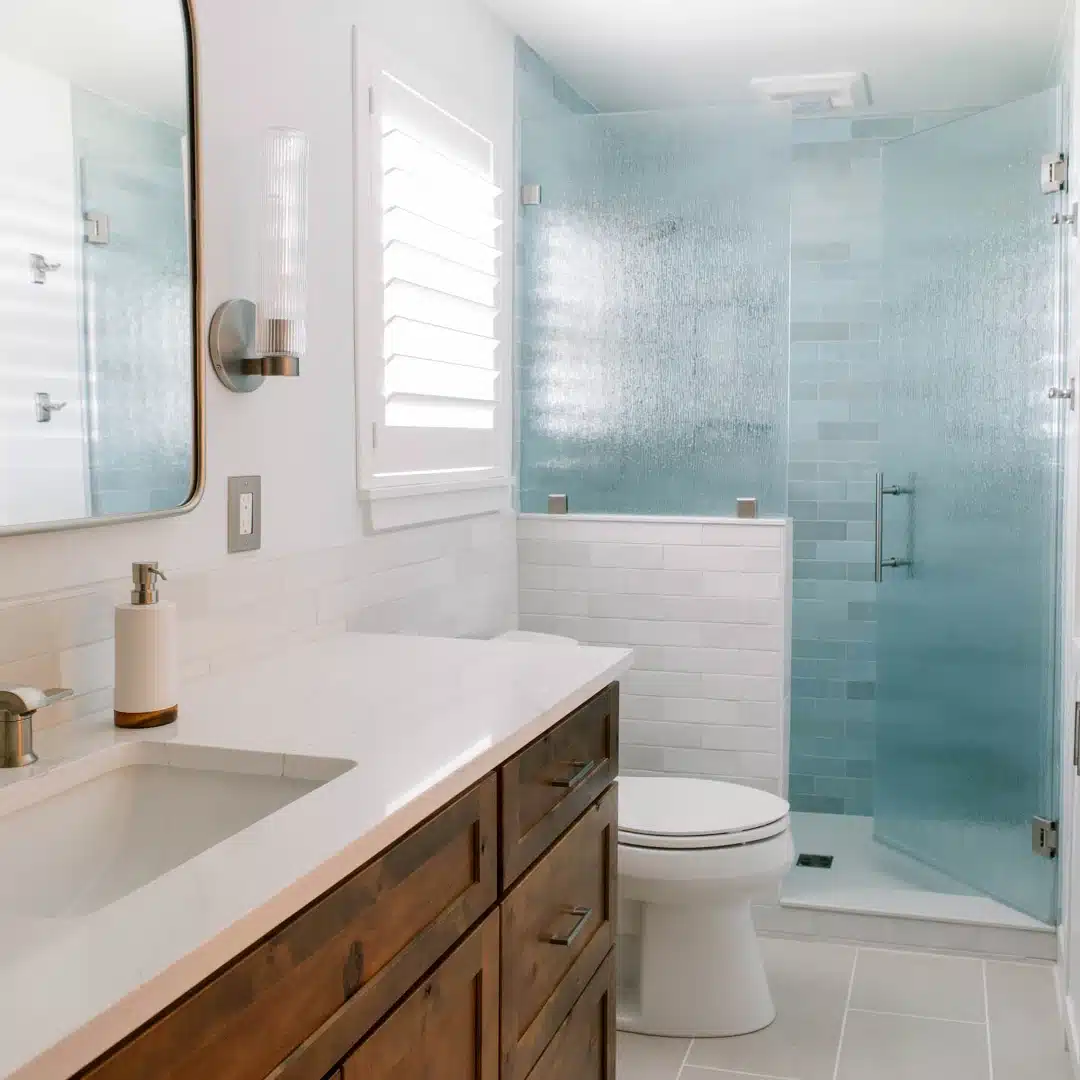
Thinking about a tub to shower conversion in your Tallahassee home? If your old tub never gets used, feels awkward to…
What you’ll get:
A personal design consult in our showroom
3D drawings to help you visualize options
A ‘good-better-best’ estimate