
Why do some homes instantly feel high-end, while others (even expensive ones) feel off? How do you make your home look expensive—without remodeling or buying designer furniture?
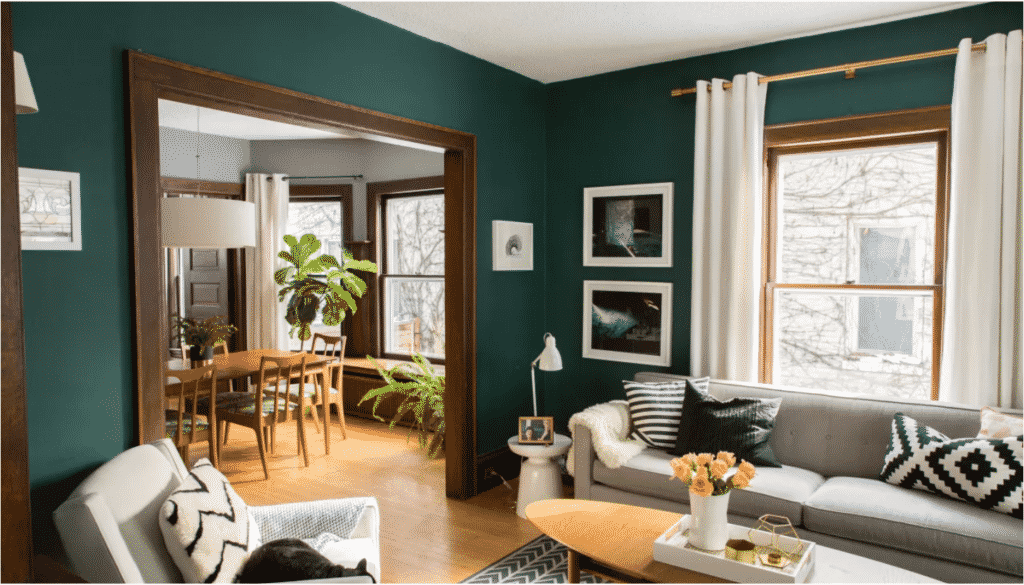
Personal touches are what make a space feel special
Why do some homes instantly feel high-end, while others (even expensive ones) feel off? How do you make your home look expensive—without remodeling or buying designer furniture?
It’s not always about how much you spend—it’s about how you design. In this article, you’ll discover the 8 best interior design tips that make any home feel more elevated and luxurious.
In this article you’ll learn how to use design psychology, smart material choices, and layout tweaks to transform your space—without overspending.
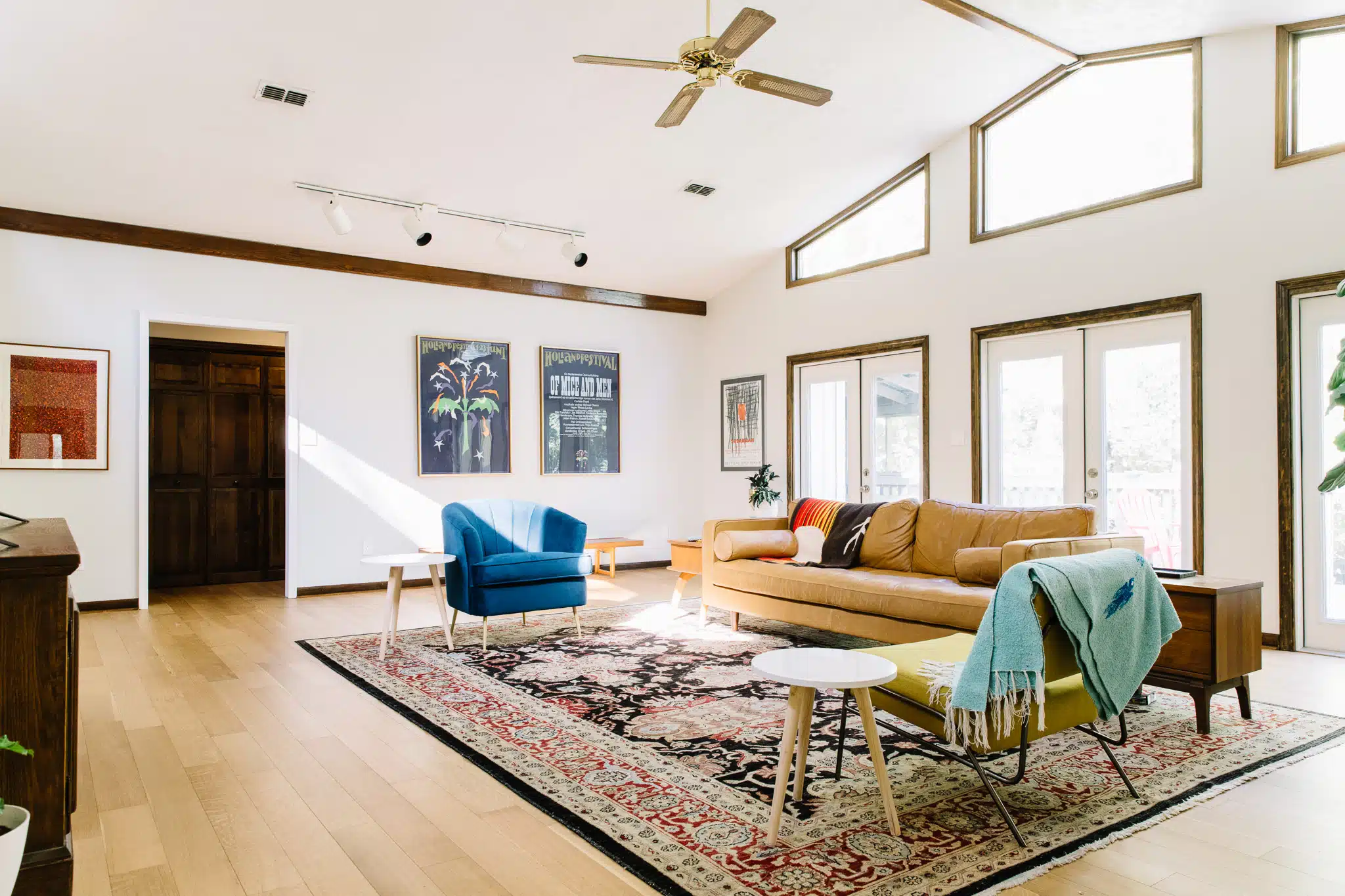
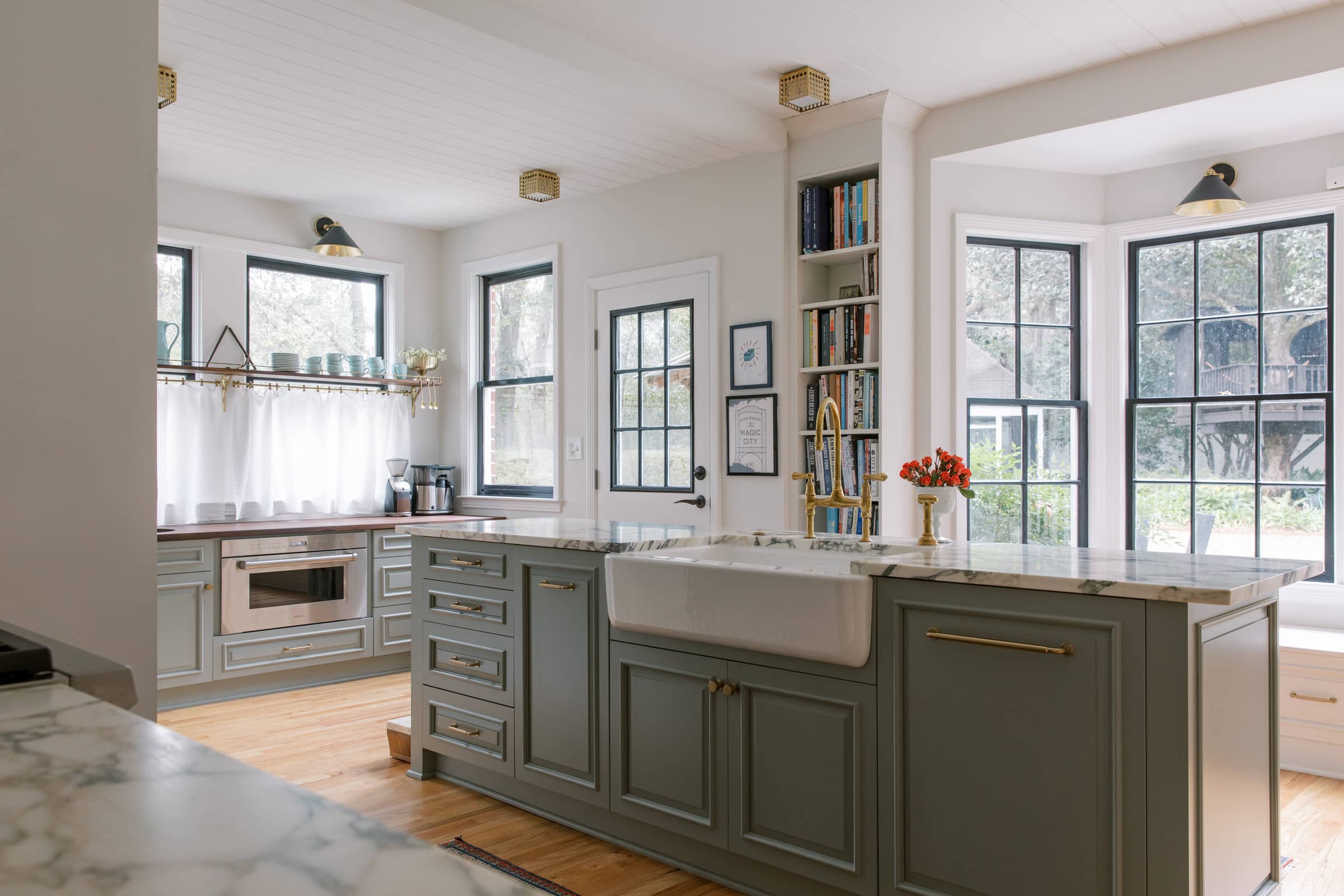
Wood trim helps draw the eye to the edges of the room, enhancing it's open feel.
Natural materials like wood, stone, linen, and wool instantly make a space feel more luxurious—because they engage our senses and suggest craftsmanship.
Think of how a marble countertop or a solid wood table feels compared to plastic or laminate. These materials age beautifully, add texture and warmth, and send a subconscious signal: this space was thoughtfully curated.
What makes them feel high-end?
They’re tactile. Linen drapes, wool throws, and wooden shelves invite interaction.
They show effort. Real materials often require more skill to work with, which we intuitively associate with care and quality.
They develop character. Over time, they form a patina that adds depth—something cheaper materials can’t replicate.
💡 Pro tip: Even if your budget is tight, you don’t need to outfit an entire room in expensive materials. Start with one or two statement pieces—a reclaimed wood side table, a stone planter, or a linen throw. These anchor the space and influence how everything around them is perceived.
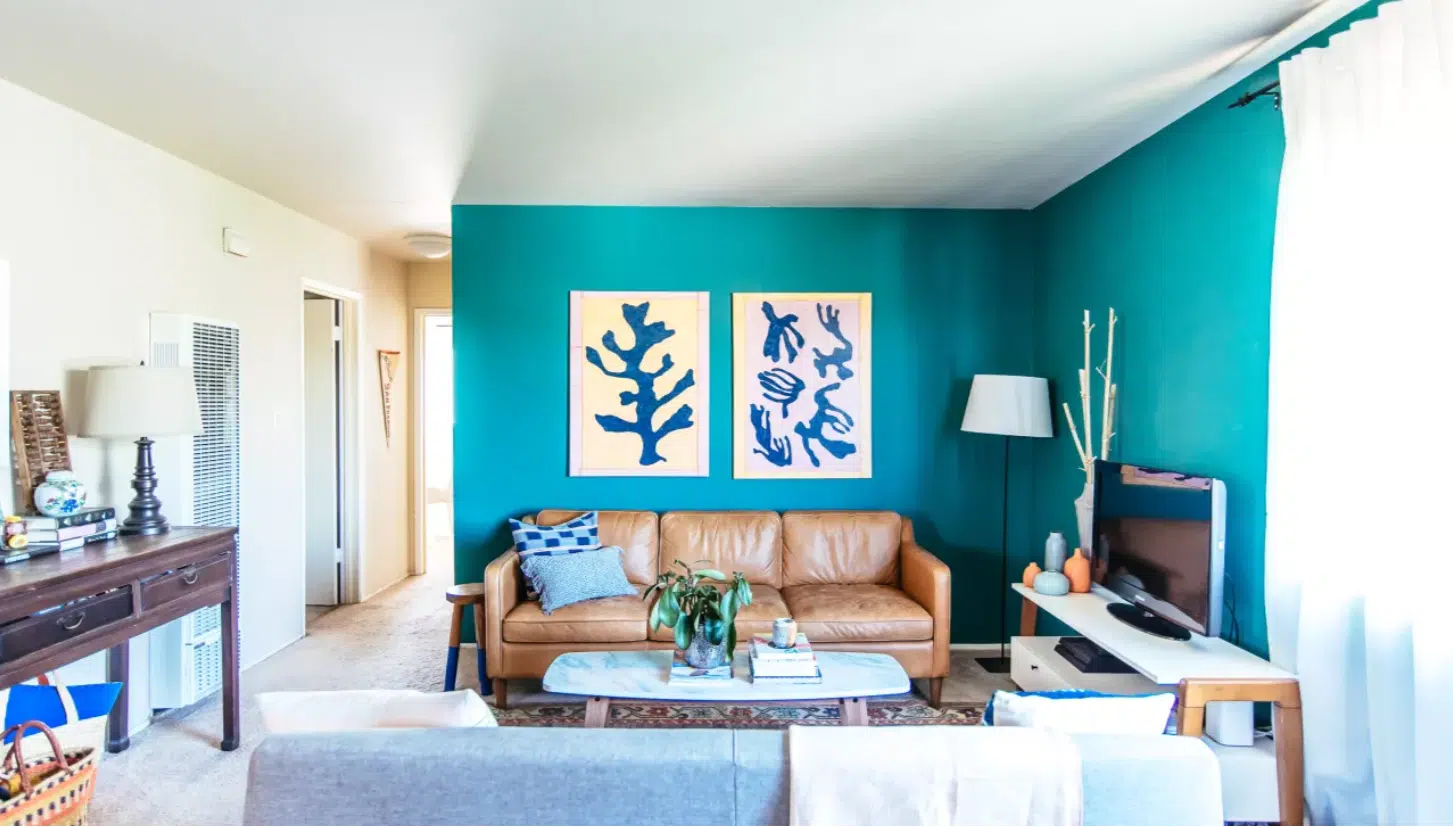
A leather couch and reclaimed wood sideboard bring wamth to the space while the ikea TV stand and cookie cutter vase display feel inauthentic.
Straight lines are everywhere, especially in mass-produced furniture. Curves and organic forms introduce softness, movement, and a more custom feel. They’re harder to produce, so they’re psychologically associated with craftsmanship and creativity.
Try this: Replace sharp-cornered pieces with rounded ones. Choose a mirror with a freeform edge, a sculptural lamp, or an oval coffee table. Even a curved tray can soften the look of a boxy room.
Watch the video
The curved doorway in this kitchen adds interest to the space
Luxury often hides in the fine print. Joinery techniques like dovetail joints, solid brass hardware, or hand-finished tile all require effort—and effort is what people subconsciously equate with cost.
Small change, big impact: Swap lightweight knobs for solid metal handles. Frame outlets in finishes that match your hardware. These changes feel minor but make a big difference.
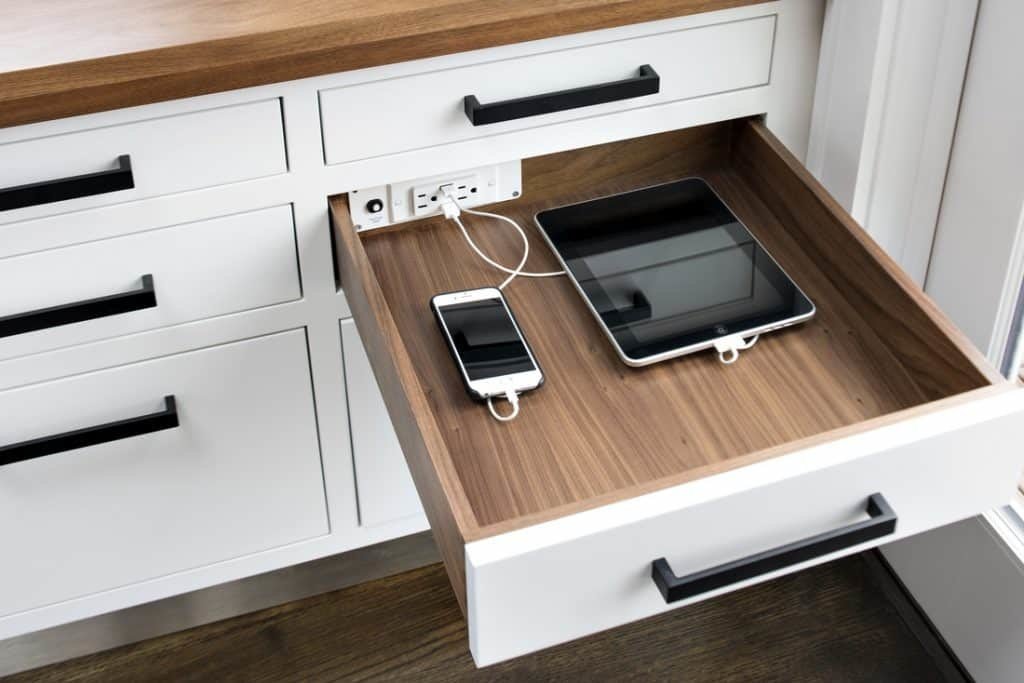
'Little surprises'... like opening a drawer to find a walnut drawer box or unique organizer add a luxe touch to any space.
Spaces that feel expensive don’t just have expensive stuff—they have flow. A cohesive color palette, repeating materials, and consistent finishes create a sense of continuity, which we associate with professional design.
Try repeating tones: Wood finishes, metal accents, or fabric colors. Let a brushed gold from your lighting echo in a mirror frame or side table hardware.
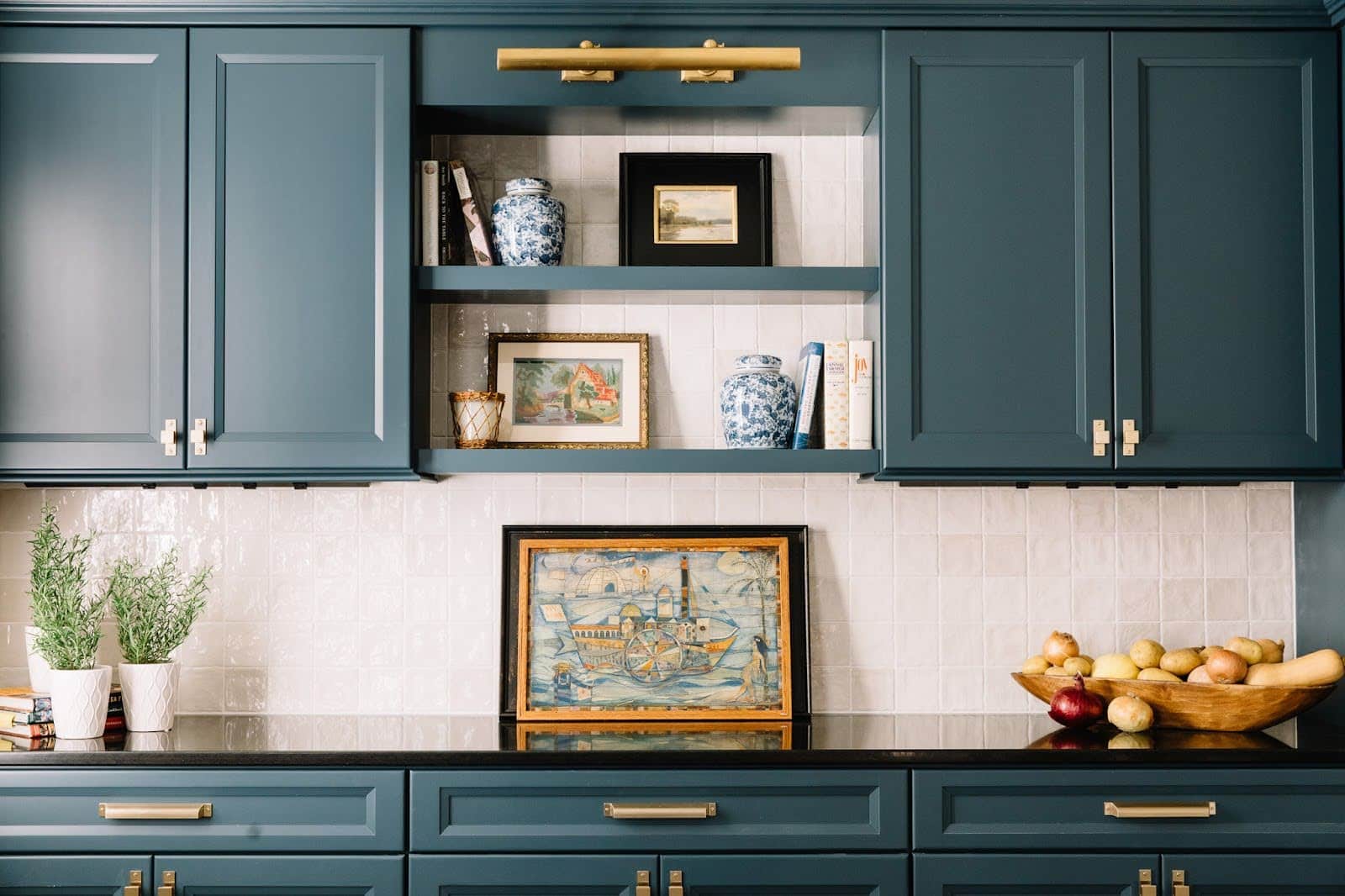
Exposed cords, messy switch placements, or cluttered surfaces are visual interruptions. High-end design is clean and considered—even behind the scenes.
Invest in hidden cable systems, choose stylish switch plates, and hide clutter inside custom cabinetry. Also, upgrade your lighting by layering: add ambient, accent, and task lighting for depth and mood.
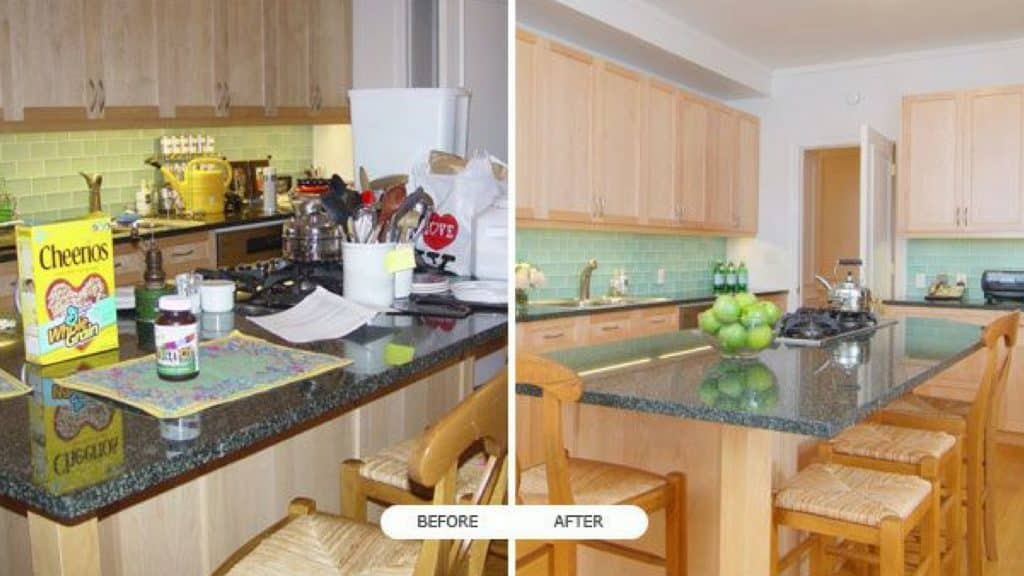
Luxury isn't sterile—it’s personal. The most elegant homes look collected over time, not bought in one shopping trip. Add meaningful items: a framed travel photo, a market find, a vintage chair.
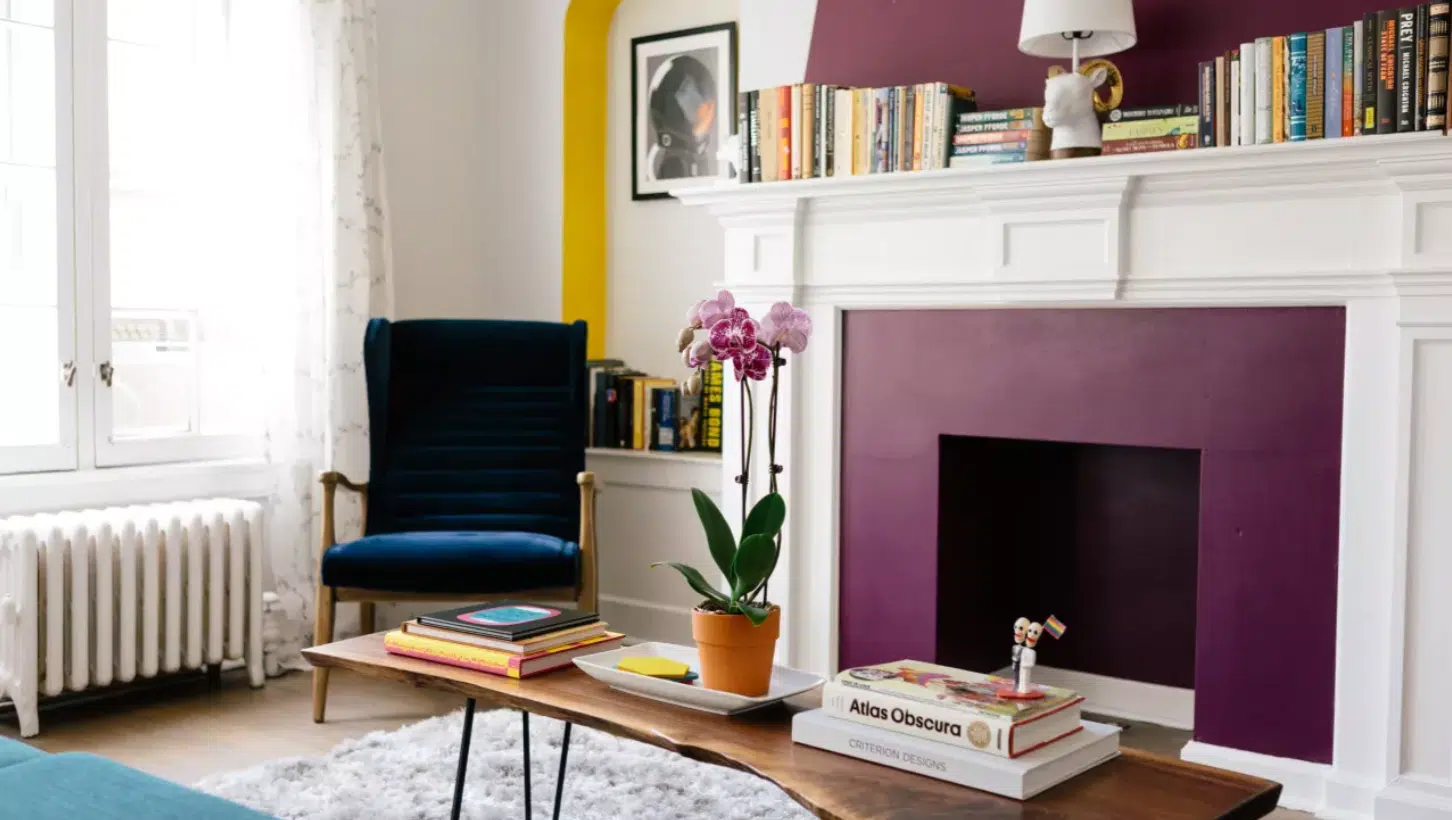
Good design is as much about what you place where as it is about what you buy. Too many small pieces feel cluttered; overly symmetrical rooms feel rigid.
Use asymmetry and varied heights to create rhythm. Anchor a table with a tall lamp, then contrast it with low, grouped decor. Opt for one bold piece over five tiny ones for a more intentional look.
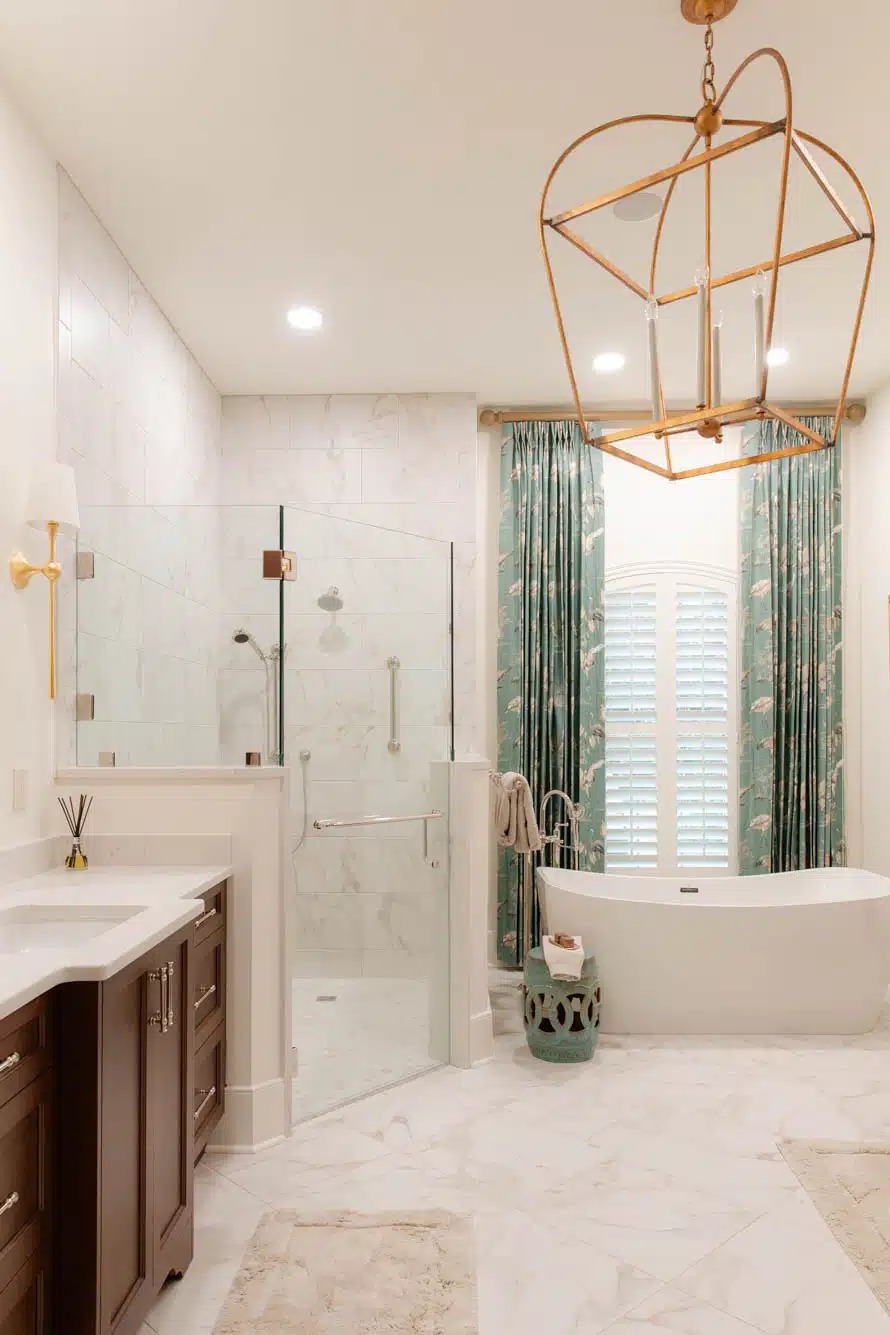
Truly elevated spaces engage all the senses. Use soft rugs, velvet cushions, warm woods for touch. Introduce scent through candles or diffusers. Reduce echo with curtains and upholstery. Leave room to breathe—literally—by creating clear walkways.
At the end of the day, an expensive-looking home isn’t about how much you spend—it’s about how intentionally you design.
If your space feels chaotic or disconnected, applying just one or two of these tips—like focusing on quality materials or cohesive color choices—can make a world of difference.
Now that you’ve learned these eight expert-backed strategies, your next step is to choose one room and begin with one element.
Maybe it’s adding a sculptural lamp, or just hiding the cluttered cords behind your desk.
Get to work!
It start with clear, accurate pricing and our design and budget consult
Someone shared something recently that stuck with me. They said they didn't realize how many small annoyances they ha…
Identity driven design solves a problem that many homeowners don’t realize they’re facing until it’s too late: living…

A lot of contractors use independent designer or don't work with designers at all... they leave that to you.
What you’ll get:
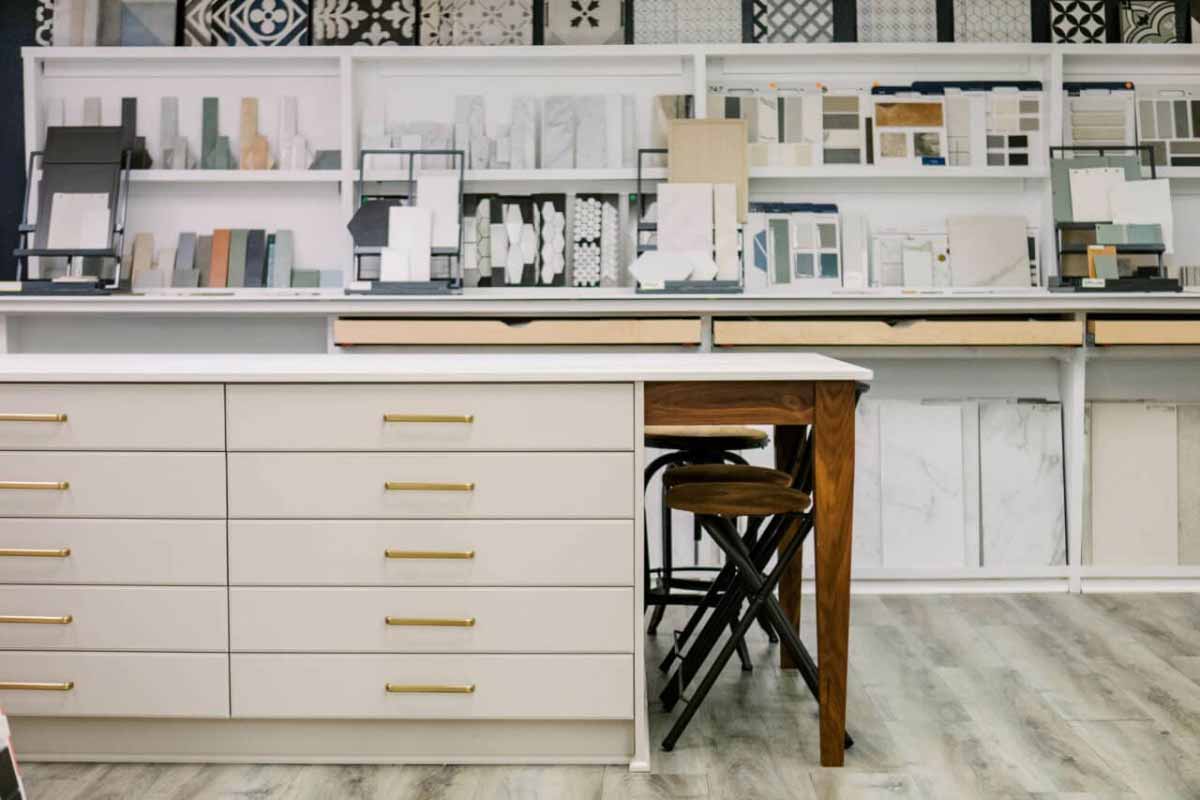
A personal design consult in our showroom
3D drawings to help you visualize options
A ‘good-better-best’ estimate